

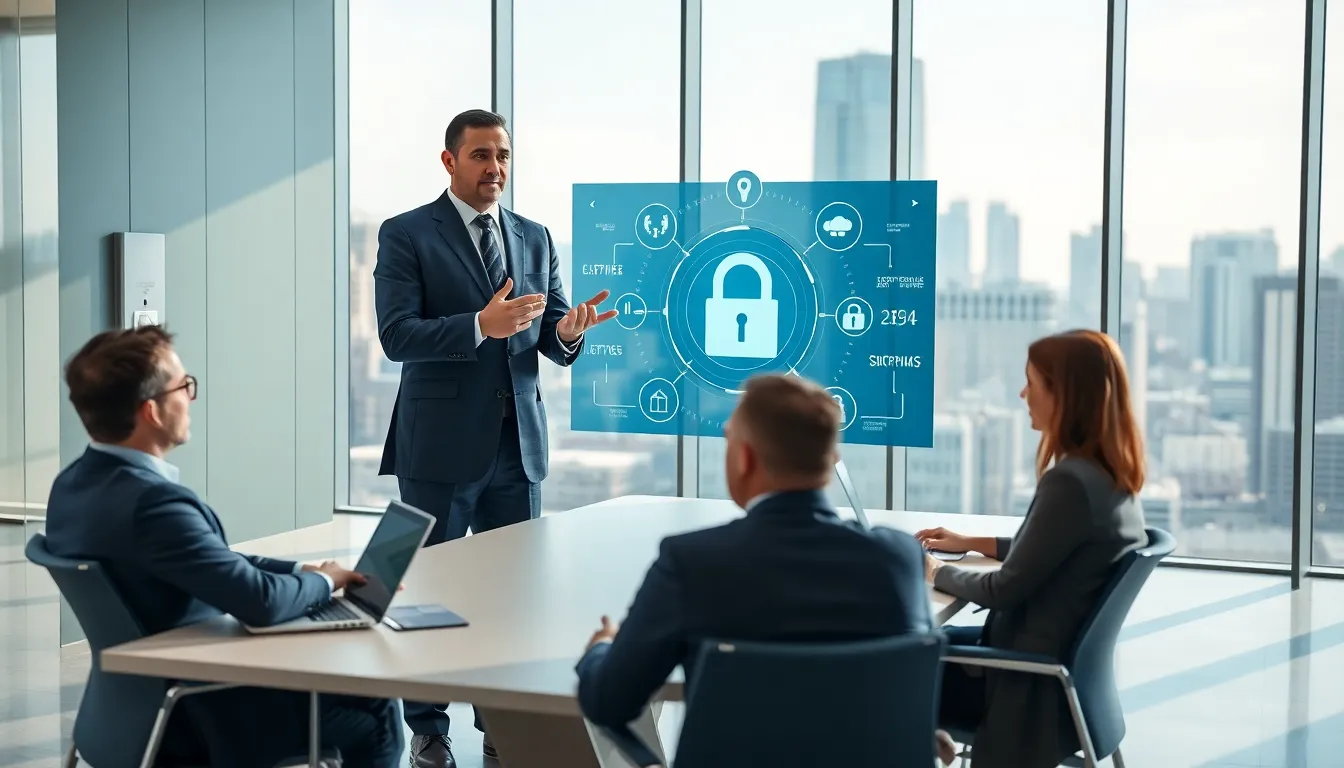
What is security? At its core, security means protecting people, assets, and information from harm, theft, or unauthorized access. This concept touches every part of daily life, from the locks on doors to the passwords on phones. Security shapes how individuals, businesses, and governments safeguard what matters most to them.
Understanding security has never been more important. Threats continue to grow in number and sophistication. Criminals target physical locations, digital systems, and financial accounts with increasing skill. A clear grasp of security principles helps people make smarter decisions about protection. This guide explains what security means today, explores its main types, and outlines the principles that make protection strategies work.
Table of Contents
ToggleKey Takeaways
- Security means protecting people, assets, and information from harm, theft, or unauthorized access across physical and digital environments.
- The main types of security include physical security, cybersecurity, and financial security—each addressing specific threats and vulnerabilities.
- Effective security uses a defense-in-depth approach with multiple layers of protection to minimize risk if one measure fails.
- Strong security builds trust, ensures regulatory compliance, and enables business continuity during unexpected threats.
- The human factor is critical—training, clear policies, and a security-conscious culture are just as important as technology.
- Regular risk assessments and security updates help organizations stay ahead of evolving threats.
Defining Security in Modern Context
Security refers to the state of being free from danger or threat. It involves the measures taken to protect people, property, data, and systems from harm. The definition of security has expanded significantly over the past few decades.
Traditionally, security meant physical protection. Guards, fences, and locks kept intruders out. Today, security extends far beyond physical barriers. It includes digital defenses, financial safeguards, and even psychological safety.
Modern security operates on a simple principle: identify risks, then reduce or eliminate them. Organizations assess their vulnerabilities and build layers of protection around their most valuable assets. Individuals do the same when they install alarm systems or use strong passwords.
The scope of security now covers:
- People: Protecting individuals from violence, harassment, or exploitation
- Property: Guarding physical assets like buildings, equipment, and inventory
- Data: Securing digital information from theft or manipulation
- Systems: Maintaining the integrity of networks, software, and infrastructure
- Finances: Defending money and investments from fraud or loss
Security isn’t just about preventing bad outcomes. It also creates conditions for growth and productivity. When people feel safe, they take calculated risks, innovate, and build. When businesses have strong security, customers trust them with sensitive information. Security enables progress by removing fear from the equation.
Types of Security
Security takes many forms, each addressing specific threats and vulnerabilities. Understanding these categories helps individuals and organizations build comprehensive protection strategies.
Physical Security
Physical security protects people and tangible assets from real-world threats. This type of security addresses break-ins, theft, vandalism, and violence.
Common physical security measures include:
- Access control systems (key cards, biometric scanners)
- Surveillance cameras and monitoring systems
- Security personnel and guards
- Locks, barriers, and reinforced structures
- Lighting and environmental design
Physical security works best in layers. A retail store might combine locked doors, security cameras, alarm systems, and trained staff. Each layer adds difficulty for potential criminals. If one measure fails, others remain in place.
Cybersecurity
Cybersecurity protects digital systems, networks, and data from electronic attacks. This field has grown rapidly as more activities move online. Hackers target everything from personal email accounts to critical infrastructure.
Key cybersecurity practices include:
- Strong, unique passwords and multi-factor authentication
- Encryption for sensitive data
- Firewalls and antivirus software
- Regular software updates and patches
- Employee training on phishing and social engineering
Cyber threats evolve quickly. Attackers develop new techniques while defenders work to block them. Effective cybersecurity requires constant vigilance and adaptation. Organizations that neglect this area often face data breaches, financial losses, and reputation damage.
Financial Security
Financial security involves protecting money, investments, and economic stability from fraud, theft, and market risks. This applies to individuals, businesses, and institutions.
Financial security strategies include:
- Insurance policies for assets and income
- Diversified investment portfolios
- Fraud detection and prevention systems
- Emergency funds and savings
- Credit monitoring and identity protection
Banks and financial institutions invest heavily in security measures. They use encryption, transaction monitoring, and authentication protocols to protect customer accounts. Individuals contribute to their own financial security through smart saving and spending habits.
Why Security Matters
Security affects every aspect of life. Its importance extends beyond simply preventing losses. Strong security creates the foundation for stability, trust, and opportunity.
Protection of Assets
Security safeguards the things people value. For individuals, this means protecting homes, vehicles, savings, and personal data. For businesses, security protects inventory, intellectual property, customer information, and brand reputation. Without adequate security, these assets remain vulnerable to theft, damage, or destruction.
Trust and Confidence
People interact with organizations they trust. Customers share credit card numbers with businesses that demonstrate strong security practices. Employees work productively when they feel safe at their workplace. Investors put money into companies with sound risk management. Security builds the trust that makes these relationships possible.
Legal and Regulatory Compliance
Many industries face strict security requirements. Healthcare organizations must protect patient data under HIPAA regulations. Financial institutions follow SEC and banking security standards. Retailers handling credit cards must comply with PCI-DSS requirements. Failing to meet these standards can result in fines, lawsuits, and loss of operating licenses.
Business Continuity
Security threats can shut down operations. A ransomware attack might lock employees out of critical systems. A break-in might result in stolen equipment needed for production. Natural disasters can destroy facilities. Good security includes planning for these scenarios and building resilience.
Peace of Mind
Security provides psychological benefits. Knowing that protective measures are in place reduces stress and anxiety. Homeowners sleep better with alarm systems. Business owners focus on growth rather than worrying about threats. This mental freedom has real value.
Core Principles of Effective Security
Effective security follows proven principles. These guidelines help individuals and organizations build protection that actually works.
Defense in Depth
No single security measure is perfect. Smart security uses multiple layers of protection. If an attacker bypasses one layer, they face another. A company might combine firewalls, encryption, access controls, and monitoring. Each layer makes unauthorized access more difficult.
Least Privilege
People should have access only to what they need. An employee who handles shipping doesn’t need access to financial records. A guest on a network doesn’t need administrative privileges. Limiting access reduces the damage that any single breach can cause.
Risk Assessment
Effective security starts with understanding threats. What assets need protection? What are the most likely attack vectors? What would happen if a breach occurred? Answering these questions helps prioritize security investments where they matter most.
Regular Updates and Testing
Security isn’t a one-time project. Threats change, systems age, and new vulnerabilities emerge. Organizations should regularly update their security measures and test them through audits, penetration testing, and drills.
Human Factor
Technology alone can’t provide complete security. People make mistakes, fall for scams, and sometimes act maliciously. Effective security includes training, clear policies, and a culture that values protection. The best firewall means nothing if an employee gives away their password.

