

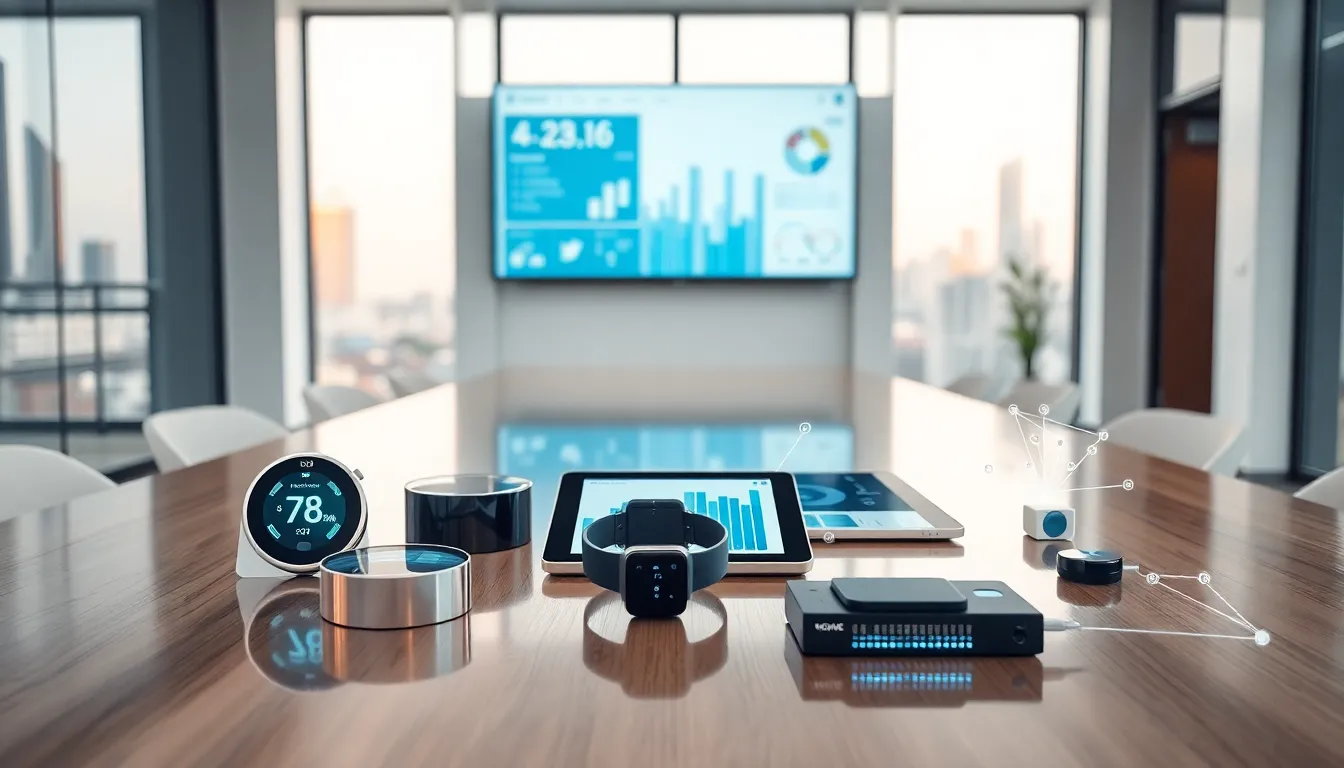
The internet of things (IoT) connects everyday devices to the internet. These devices collect data, share information, and perform tasks without human input. From smart thermostats to industrial sensors, IoT technology has changed how people live and work. This article explains what the internet of things is, how it works, and why it matters.
Table of Contents
ToggleKey Takeaways
- The internet of things (IoT) connects everyday devices to the internet, allowing them to collect data, communicate, and perform tasks automatically.
- IoT devices use sensors, connectivity options like Wi-Fi and Bluetooth, and cloud or edge computing to turn raw data into actionable insights.
- Common IoT applications include smart home devices, wearables, industrial sensors, and smart city infrastructure that improve efficiency and convenience.
- Key benefits of IoT include increased efficiency, better decision-making, cost savings, and improved quality of life.
- Major challenges facing the internet of things include security vulnerabilities, privacy concerns, interoperability issues, and technical complexity.
- Future IoT growth will be driven by 5G networks, AI integration, edge computing, stronger security standards, and expanded healthcare applications.
How the Internet of Things Works
The internet of things relies on a simple concept: devices connect to the internet and communicate with each other. Each IoT device contains sensors, processors, and communication hardware. These components work together to collect data and send it to a central system.
Sensors and Data Collection
Sensors are the foundation of IoT devices. They measure temperature, motion, light, humidity, and other environmental factors. A smart thermostat, for example, uses temperature sensors to monitor room conditions. The device then adjusts heating or cooling based on the data it collects.
Connectivity Options
IoT devices use several methods to connect to the internet. Wi-Fi is common in home devices like smart speakers and security cameras. Bluetooth works well for short-range connections between wearables and smartphones. Cellular networks support devices that need to work in remote locations. Some industrial IoT systems use dedicated networks like LoRaWAN for long-range, low-power communication.
Data Processing and Analysis
Once sensors gather data, the information moves to cloud servers or edge computing systems. Cloud platforms store large amounts of data and run analytics software. Edge computing processes data closer to the source, which reduces delays. Both approaches help turn raw sensor data into useful insights.
Automation and Action
The internet of things enables automation. When a motion sensor detects movement, it can trigger a light to turn on. When a soil moisture sensor reads low levels, it can start an irrigation system. This ability to act without human intervention makes IoT technology valuable across many industries.
Common Examples of IoT Devices
IoT devices appear in homes, businesses, and cities around the world. Here are some of the most common examples.
Smart Home Devices
Smart speakers like Amazon Echo and Google Nest respond to voice commands. They play music, answer questions, and control other connected devices. Smart thermostats learn user preferences and adjust temperatures automatically. Video doorbells let homeowners see visitors from their phones. Smart locks allow keyless entry and remote access control.
Wearable Technology
Fitness trackers monitor steps, heart rate, and sleep patterns. Smartwatches display notifications and track health metrics. Medical wearables measure blood glucose levels or detect irregular heartbeats. These internet of things devices help people manage their health with real-time data.
Industrial IoT Applications
Factories use IoT sensors to monitor equipment performance. Predictive maintenance systems detect problems before machines break down. This approach saves money and reduces downtime. Logistics companies track shipments with GPS-enabled sensors. Farmers use soil and weather sensors to optimize crop yields.
Smart City Infrastructure
Cities deploy IoT technology to improve public services. Smart traffic lights adjust timing based on real-time traffic flow. Connected streetlights dim when no one is nearby, saving energy. Sensors in waste bins signal when they need emptying. These applications make urban areas more efficient.
Benefits and Challenges of IoT
The internet of things offers clear advantages, but it also presents obstacles that users and organizations must address.
Key Benefits
Increased Efficiency: IoT devices automate repetitive tasks. Smart irrigation systems water plants only when needed. Industrial sensors catch equipment problems early. These efficiencies save time and resources.
Better Decision-Making: Data from IoT devices supports informed choices. Retailers analyze foot traffic patterns to optimize store layouts. Healthcare providers monitor patient vital signs remotely. Access to real-time information improves outcomes.
Cost Savings: Automation and predictive maintenance reduce operational costs. Energy management systems lower utility bills. Fleet tracking optimizes delivery routes. The internet of things helps organizations spend less while doing more.
Improved Quality of Life: Smart home devices add convenience. Wearables encourage healthier habits. Connected medical devices give patients more independence. IoT technology makes daily life easier for millions of people.
Major Challenges
Security Risks: Every connected device is a potential entry point for hackers. Many IoT devices have weak default passwords and limited security features. Attackers have used IoT botnets to launch large-scale cyberattacks.
Privacy Concerns: IoT devices collect vast amounts of personal data. Smart speakers record voice commands. Fitness trackers log location history. Users must trust companies to handle this information responsibly.
Interoperability Issues: Devices from different manufacturers often don’t work together. A smart home might require multiple apps to control various products. The lack of universal standards frustrates consumers.
Technical Complexity: Setting up and maintaining IoT systems requires technical knowledge. Networks must handle increased data traffic. Organizations need staff who understand both hardware and software.
The Future of the Internet of Things
The internet of things will continue to grow. Industry analysts predict over 30 billion connected devices worldwide by 2030. Several trends will shape how IoT technology develops.
5G Networks
5G cellular networks offer faster speeds and lower latency than previous generations. These improvements will support more IoT devices in more locations. Real-time applications like remote surgery and autonomous vehicles need the reliability that 5G provides.
Artificial Intelligence Integration
AI and machine learning make IoT systems smarter. Instead of following simple rules, devices can learn patterns and adapt their behavior. A smart thermostat powered by AI might predict when residents will arrive home and preheat the house accordingly. This combination of internet of things hardware and intelligent software creates more useful products.
Edge Computing Growth
Processing data at the edge, near the source, will become more common. Edge computing reduces the need to send all information to distant cloud servers. This approach lowers costs, improves response times, and enhances privacy. Many future IoT applications will rely on edge processing.
Stronger Security Standards
Governments and industry groups are developing new IoT security regulations. These rules will require manufacturers to include better protection in their devices. Consumers and businesses can expect more secure products as standards improve.
Expanded Healthcare Applications
The healthcare industry will adopt more IoT devices. Remote patient monitoring will become standard for chronic disease management. Wearables will detect health issues earlier. The internet of things will help healthcare systems serve more patients effectively.

