

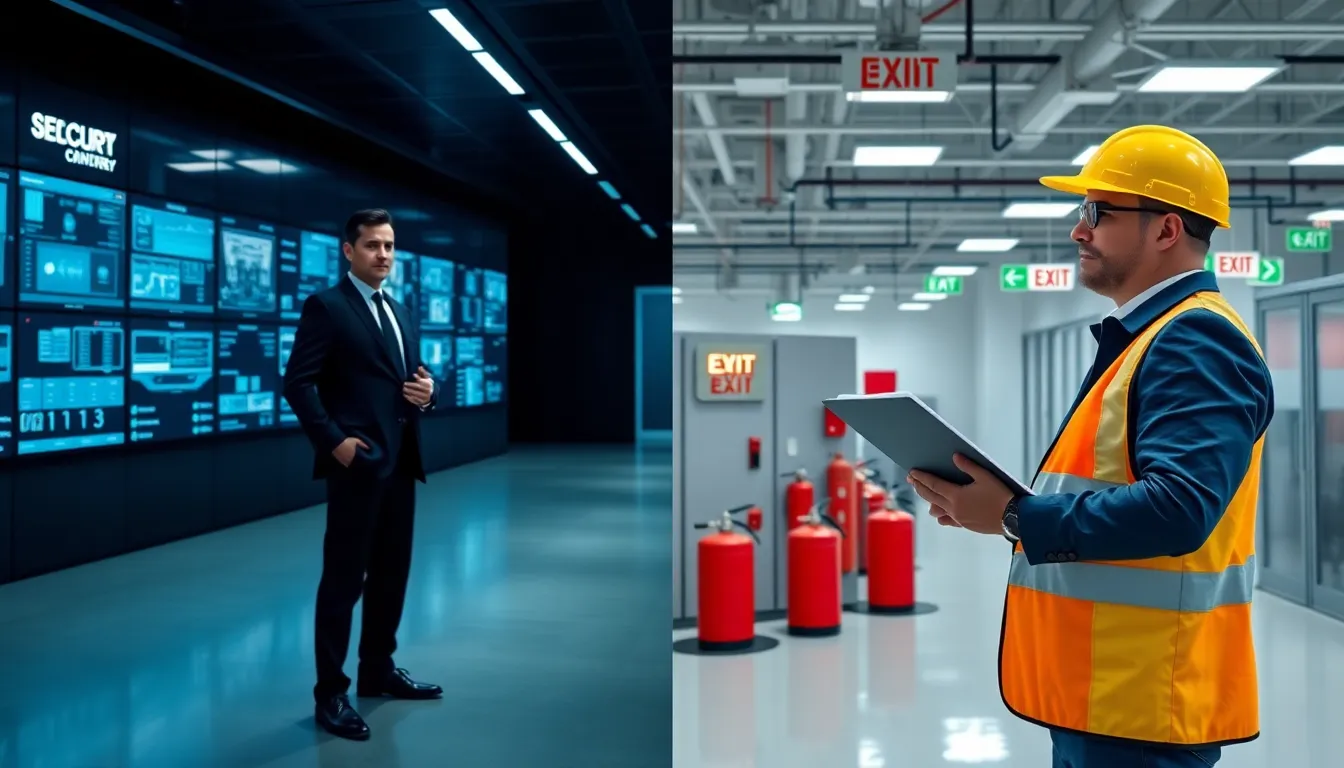
Security vs. safety, these two words often get used interchangeably, but they address different types of risks. Security protects against intentional threats like theft, cyberattacks, or violence. Safety shields people from accidental harm, such as fires, equipment malfunctions, or workplace injuries. Understanding the distinction matters for businesses, homeowners, and anyone responsible for protecting people or property.
This article breaks down what security and safety mean, how they differ, and why both deserve attention. By the end, readers will know exactly how to apply these concepts in real-world situations.
Table of Contents
ToggleKey Takeaways
- Security protects against intentional threats like theft and cyberattacks, while safety prevents accidental harm such as fires and equipment failures.
- The core difference in security vs. safety comes down to intent—security addresses malicious actors, safety addresses unintentional hazards.
- Effective organizations integrate both security and safety planning with unified emergency response protocols and cross-trained personnel.
- At home, balance security measures like locks and alarms with safety essentials like smoke detectors and fire extinguishers.
- Modern technology bridges the security vs. safety gap through systems that combine intrusion detection with fire monitoring and emergency alerts.
- Both security and safety deserve equal attention and resources because they work together to protect people and property.
Defining Security and Safety
Security refers to protection against deliberate threats. These threats come from people with harmful intent, burglars, hackers, vandals, or attackers. A security system might include cameras, alarms, access controls, or cybersecurity software. The goal is to deter, detect, and respond to human threats.
Safety, on the other hand, focuses on preventing accidents and unintentional harm. Safety measures protect against hazards like electrical fires, slippery floors, toxic chemicals, or faulty machinery. Think smoke detectors, guardrails, hard hats, and emergency exits.
Here’s a simple way to remember the difference:
- Security = Protection from people
- Safety = Protection from accidents
A locked door provides security by keeping intruders out. A fire extinguisher provides safety by controlling accidental fires. Both reduce risk, but they target different sources of danger.
Organizations often have separate teams handling security vs. safety concerns. A security team monitors for break-ins and data breaches. A safety team ensures compliance with OSHA regulations and conducts hazard assessments. These roles overlap at times, but their primary focus remains distinct.
Core Differences Between Security and Safety
The security vs. safety distinction comes down to intent. Security addresses threats where someone actively wants to cause harm. Safety addresses risks that arise naturally or through negligence.
Source of Risk
Security threats originate from malicious actors. These include criminals, disgruntled employees, hackers, or even competitors engaging in corporate espionage. The threat is external and intentional.
Safety hazards come from environmental conditions, equipment failures, human error, or natural disasters. No one intends for these problems to occur, they happen due to oversight, wear and tear, or bad luck.
Response Strategies
Security measures aim to prevent, detect, and respond to attacks. This includes surveillance systems, background checks, encryption, and incident response plans. Security thinking is adversarial, it assumes someone is trying to get in.
Safety measures focus on prevention through design, training, and protocols. Engineers build machines with emergency shutoffs. Companies train workers on proper lifting techniques. Safety thinking assumes accidents will happen unless preventive steps are taken.
Regulatory Framework
Security vs. safety also differ in how they’re regulated. Safety standards often come from government agencies like OSHA in the United States or the Health and Safety Executive in the UK. These regulations are specific and mandatory.
Security standards vary more widely. Some industries have strict requirements, healthcare must comply with HIPAA, and financial institutions follow PCI-DSS for data security. But many security decisions remain at the organization’s discretion.
Measurement and Metrics
Safety programs track incident rates, near-misses, and compliance audits. Success means fewer accidents over time.
Security programs measure attempted breaches, response times, and vulnerability assessments. Success can be harder to quantify because a good security system prevents incidents from happening in the first place.
How Security and Safety Work Together
Even though their differences, security and safety often overlap. A comprehensive protection strategy addresses both.
Consider a manufacturing facility. The safety team ensures machines have proper guards and workers wear protective equipment. The security team controls access to the building and monitors for theft. But what about an active shooter situation? That scenario requires both security response (neutralizing the threat) and safety protocols (evacuation procedures, first aid).
Smart organizations integrate security vs. safety planning. They create unified emergency response plans that account for all types of threats. Cross-training helps too, security personnel should know basic first aid, and safety officers should understand access control principles.
Technology increasingly bridges the gap. Modern building management systems combine fire detection (safety) with intrusion alarms (security). Video surveillance serves dual purposes, monitoring for suspicious activity and reviewing safety incidents.
The most effective approach treats security and safety as complementary rather than competing priorities. Budget decisions shouldn’t pit one against the other. Both deserve adequate resources because both protect what matters most: people and property.
Practical Applications in Daily Life
Understanding security vs. safety helps people make better decisions at home and work.
Home Protection
Homeowners often focus heavily on security, door locks, alarm systems, cameras. But safety deserves equal attention. Smoke detectors, carbon monoxide alarms, and fire extinguishers save lives. Securing loose rugs and installing grab bars in bathrooms prevents falls, especially for elderly family members.
A balanced approach addresses both. Lock the doors and check the smoke detector batteries.
Workplace Considerations
Employees encounter security vs. safety measures daily. Badge access systems and visitor logs handle security. Safety training, ergonomic workstations, and clearly marked exits handle safety.
Workers should take both seriously. Report suspicious behavior to security. Report unsafe conditions to safety managers. Both types of concerns matter.
Digital Life
Online, security takes center stage. Strong passwords, two-factor authentication, and antivirus software protect against hackers. But digital safety exists too, screen time limits, content filters for children, and awareness of online scams all fall under personal digital safety.
The security vs. safety framework applies everywhere once people start looking for it.

