

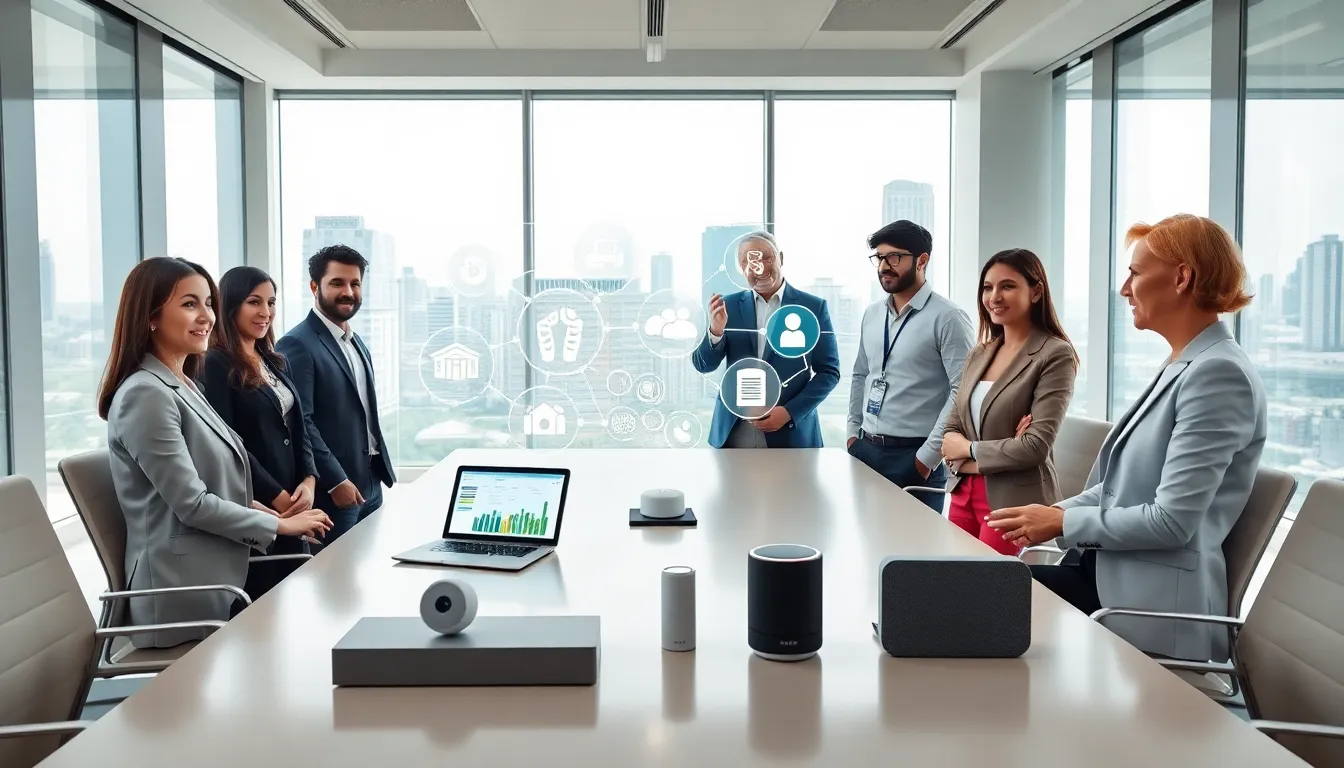
The best internet of things ideas can reshape how people live and work. IoT technology connects everyday devices to the internet, allowing them to communicate, share data, and automate tasks. From smart thermostats that learn daily routines to sensors that track inventory in warehouses, these connected systems create efficiency and convenience.
This guide explores practical internet of things ideas across multiple categories. Readers will discover smart home solutions, business applications, wearable health devices, and agricultural innovations. Each section highlights real-world examples that demonstrate how IoT transforms industries and daily life.
Table of Contents
ToggleKey Takeaways
- Internet of things ideas span smart homes, businesses, healthcare, and agriculture—transforming how people live and work daily.
- Smart home IoT devices like thermostats, security cameras, and voice assistants can reduce energy costs by 10-15% while boosting convenience.
- Businesses using IoT for predictive maintenance report 25-30% reductions in equipment downtime and fewer emergency repairs.
- Wearable health devices enable continuous monitoring of vital signs, allowing doctors to adjust treatments remotely without office visits.
- Smart agriculture solutions, including soil sensors and automated irrigation, help farmers save 20-50% on water usage while increasing crop yields.
- From inventory tracking to fall detection for seniors, practical internet of things ideas deliver measurable benefits across industries.
Smart Home Automation Solutions
Smart home automation represents one of the most accessible internet of things ideas for everyday consumers. These systems connect lighting, climate control, security, and entertainment devices through a central hub or smartphone app.
Intelligent Climate Control
Smart thermostats like the Nest or Ecobee learn household patterns over time. They adjust temperatures based on occupancy, weather forecasts, and user preferences. Homeowners report energy savings of 10-15% after installing these devices. The thermostat detects when residents leave and automatically enters an energy-saving mode.
Connected Security Systems
IoT security devices include smart locks, video doorbells, and motion sensors. Ring and Arlo cameras stream live footage to smartphones anywhere in the world. Smart locks allow homeowners to grant temporary access codes to guests or service providers. These internet of things ideas give people peace of mind and control over home security.
Automated Lighting and Appliances
Philips Hue and similar smart bulbs respond to voice commands, schedules, or motion detection. Users can program lights to simulate occupancy while traveling. Smart plugs turn ordinary appliances into connected devices, enabling remote control of coffee makers, fans, or holiday decorations.
Voice Assistants as Central Hubs
Amazon Alexa, Google Assistant, and Apple HomeKit serve as command centers for smart homes. These platforms connect dozens of compatible devices under one interface. Voice commands can dim lights, lock doors, play music, and adjust thermostats simultaneously.
Innovative IoT Applications for Businesses
Businesses across industries adopt internet of things ideas to reduce costs, improve efficiency, and enhance customer experiences. Commercial IoT applications often deliver measurable return on investment within months.
Inventory and Asset Tracking
RFID tags and GPS sensors track products from manufacturing to delivery. Retailers use smart shelves that detect low stock levels and trigger automatic reorders. Logistics companies monitor fleet vehicles in real time, optimizing routes and reducing fuel consumption. These internet of things ideas eliminate manual inventory counts and reduce human error.
Predictive Maintenance
Sensors attached to industrial equipment monitor vibration, temperature, and performance metrics. When readings fall outside normal parameters, the system alerts maintenance teams before failures occur. Manufacturing plants using predictive maintenance report 25-30% reductions in downtime. This proactive approach extends equipment lifespan and prevents costly emergency repairs.
Smart Office Environments
Occupancy sensors help businesses optimize workspace utilization. Meeting rooms book themselves when employees enter. HVAC systems adjust based on the number of people present. Smart lighting responds to natural daylight levels, reducing electricity costs while improving employee comfort.
Customer Experience Enhancement
Retail stores use beacons to send personalized offers to customers’ smartphones as they browse. Smart fitting rooms in clothing stores suggest complementary items. Restaurants employ IoT kitchen systems that track order progress and notify servers when dishes are ready. These internet of things ideas create seamless customer interactions.
Wearable Technology and Health Monitoring
Wearable IoT devices have transformed personal health management. These gadgets collect continuous data that helps users make informed decisions about their wellbeing.
Fitness Trackers and Smartwatches
Devices from Fitbit, Apple, and Garmin monitor steps, heart rate, sleep quality, and calories burned. Users set daily goals and receive reminders to move after periods of inactivity. Many fitness trackers sync with smartphone apps that display trends over weeks or months. This category of internet of things ideas motivates millions of people to stay active.
Medical-Grade Monitoring Devices
Patients with chronic conditions benefit from connected glucose monitors, blood pressure cuffs, and pulse oximeters. These devices transmit readings directly to healthcare providers, enabling remote patient monitoring. Doctors can adjust treatment plans without requiring office visits. Continuous glucose monitors alert diabetic patients to dangerous blood sugar levels before symptoms appear.
Mental Health and Stress Management
Some wearables track stress indicators through heart rate variability and skin conductance. Apps guide users through breathing exercises when stress levels spike. Sleep trackers identify patterns that affect mental clarity and mood. These internet of things ideas bring awareness to the connection between physical metrics and emotional health.
Senior Care and Safety
Fall detection devices automatically alert emergency contacts when sensors detect sudden impacts. GPS-enabled wearables help families locate loved ones with memory conditions. Smart pill dispensers remind seniors to take medications at scheduled times and notify caregivers of missed doses.
Smart Agriculture and Environmental Monitoring
Agriculture and environmental sectors embrace internet of things ideas to address resource challenges and climate concerns. Connected sensors provide data that drives smarter decisions about land and resource management.
Precision Farming
Soil sensors measure moisture, pH levels, and nutrient content at various depths. Farmers receive alerts when crops need water or fertilizer. Drone-mounted cameras capture aerial images that reveal pest infestations or irrigation problems. These internet of things ideas help farmers increase yields while using fewer resources.
Automated Irrigation Systems
Smart irrigation controllers adjust watering schedules based on weather forecasts and soil conditions. Some systems use machine learning to predict plant water needs. Farmers report water savings of 20-50% compared to traditional timer-based irrigation. This approach conserves groundwater and reduces operating costs.
Livestock Monitoring
Wearable sensors track animal location, activity levels, and health indicators. Ranchers detect illness early by monitoring eating patterns and body temperature. GPS collars help locate animals across large grazing areas. These internet of things ideas improve animal welfare and reduce losses from preventable conditions.
Environmental Conservation
Wildlife researchers use connected cameras and sensors to study animal behavior without human interference. Water quality monitors in rivers and lakes detect pollution events in real time. Air quality sensors create detailed pollution maps that inform public health decisions. Cities deploy flood sensors that trigger early warning systems during heavy rainfall.

