

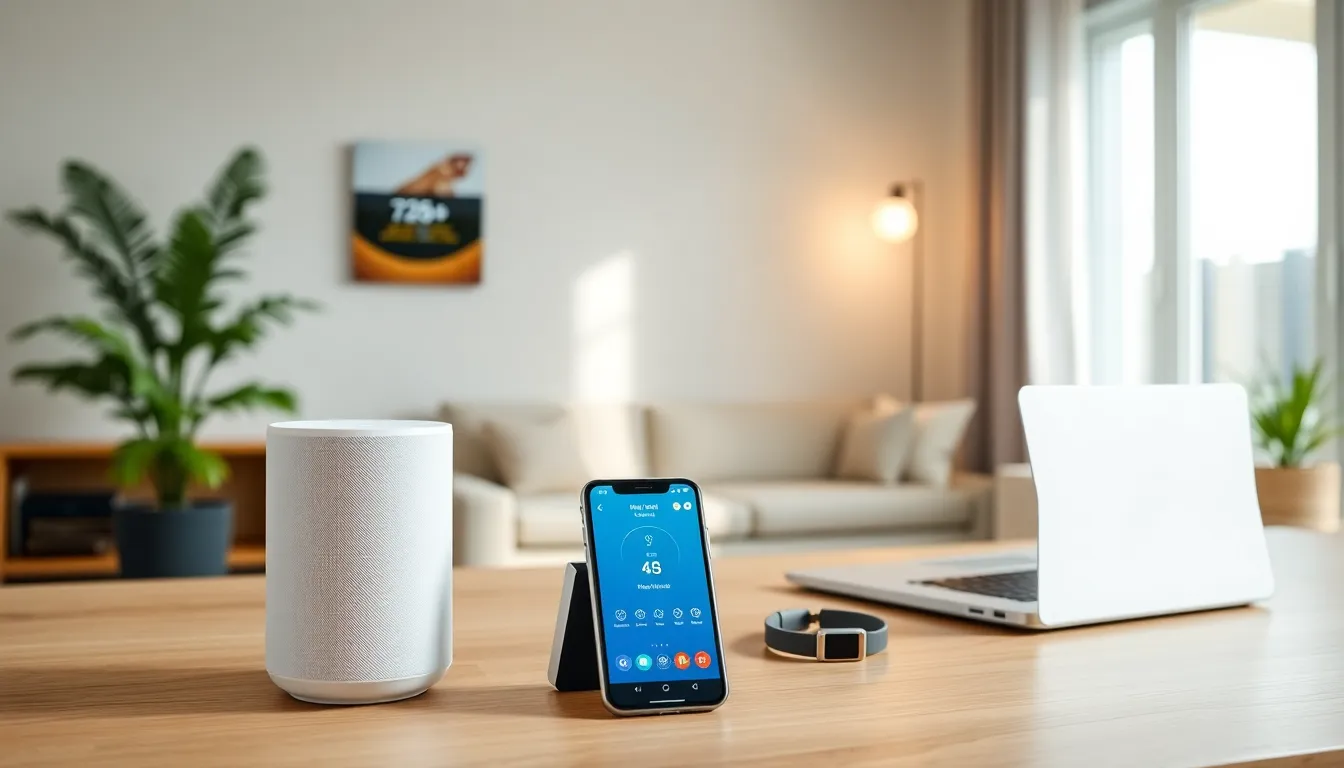
The internet of things for beginners can feel overwhelming at first glance. Smart thermostats, connected cars, wearable fitness trackers, these devices now fill homes and offices everywhere. But what exactly connects them all? And why should anyone care?
The Internet of Things (IoT) refers to everyday objects that connect to the internet and share data. These devices communicate with each other and with users to automate tasks, improve efficiency, and make life easier. By 2025, experts estimate over 75 billion IoT devices will exist worldwide.
This guide breaks down the internet of things for beginners into clear, digestible pieces. It covers how IoT works, what devices people commonly use, the benefits and challenges involved, and practical steps to start using IoT today.
Table of Contents
ToggleKey Takeaways
- The Internet of Things (IoT) connects everyday devices to the internet, allowing them to share data and automate tasks without constant human input.
- IoT works through four components: sensors collect data, connectivity transmits it, software processes it, and user interfaces let you control everything.
- For beginners exploring the internet of things, smart speakers and thermostats offer easy, low-risk entry points with immediate benefits.
- IoT provides convenience, energy savings, better health tracking, and improved home security—but requires attention to password protection and firmware updates.
- Stick to one ecosystem (Alexa, Google Home, or Apple HomeKit) to avoid compatibility issues between devices.
- Start small with one device, secure it properly, then gradually expand your smart home setup as you gain confidence.
What Is the Internet of Things?
The Internet of Things describes a network of physical objects embedded with sensors, software, and connectivity features. These objects collect and exchange data through the internet without needing human input for every action.
Think of it this way: a regular coffee maker brews coffee when someone presses a button. A smart coffee maker, but, connects to a phone app. It can start brewing at a scheduled time or when the user sends a command from bed.
IoT devices range from simple (like smart light bulbs) to complex (like industrial machinery that predicts when it needs maintenance). The common thread? They all gather information and use it to perform tasks or provide insights.
For those exploring the internet of things for beginners, understanding this basic concept opens the door to everything else. IoT isn’t about one gadget, it’s about millions of devices working together, sharing data, and creating smarter environments.
How IoT Works
IoT operates through four main components: sensors, connectivity, data processing, and user interfaces.
Sensors collect information from the environment. A smart thermostat, for example, uses sensors to detect room temperature. A fitness tracker senses heart rate, steps, and sleep patterns.
Connectivity sends this data to the cloud or a local hub. Devices use Wi-Fi, Bluetooth, cellular networks, or other protocols to transmit information. Without connectivity, the “internet” part of the internet of things wouldn’t exist.
Data processing happens once the information reaches its destination. Software analyzes the data and decides what action to take. If the thermostat detects the house is too cold, the system triggers the heater.
User interfaces let people interact with IoT devices. This might be a smartphone app, voice commands through a smart speaker, or a dashboard on a computer screen. Users can monitor data, adjust settings, or receive alerts.
The internet of things for beginners becomes much clearer once someone understands this cycle: sense, send, process, respond. Every smart device follows this pattern in some form.
Common Examples of IoT Devices
IoT devices appear in nearly every area of daily life. Here are some of the most common categories:
Smart Home Devices
- Smart speakers (Amazon Echo, Google Nest)
- Video doorbells and security cameras
- Smart thermostats (Nest, Ecobee)
- Connected light bulbs and plugs
- Robot vacuums
Wearable Technology
- Fitness trackers (Fitbit, Garmin)
- Smartwatches (Apple Watch, Samsung Galaxy Watch)
- Health monitors for blood pressure or glucose levels
Connected Vehicles
- Cars with GPS tracking and remote start
- Fleet management systems for delivery trucks
- Electric vehicle charging stations
Healthcare IoT
- Remote patient monitoring devices
- Smart pill dispensers
- Connected medical equipment in hospitals
The internet of things for beginners often starts at home. Smart speakers and thermostats offer an easy entry point. They don’t require technical expertise, and they deliver immediate, tangible benefits like convenience and energy savings.
Once comfortable with basic IoT devices, users can expand to more advanced setups, linking multiple devices together, creating automation routines, or integrating systems throughout their homes.
Benefits and Challenges of IoT
IoT offers significant advantages, but it also presents real challenges that users should understand.
Key Benefits:
Convenience tops the list. IoT automates routine tasks. Lights turn on when someone enters a room. Coffee starts brewing before the alarm goes off. Groceries get ordered automatically when supplies run low.
Energy efficiency follows closely. Smart thermostats learn household patterns and adjust heating or cooling to save money. Smart plugs turn off devices that drain power when idle.
Better health monitoring helps people track fitness goals and manage chronic conditions. Wearables provide data that supports informed decisions about exercise, sleep, and nutrition.
Improved safety comes from connected security systems, smoke detectors, and water leak sensors that send instant alerts.
Common Challenges:
Security risks concern many users. IoT devices can be vulnerable to hacking if not properly protected. Weak passwords and outdated firmware create openings for attackers.
Privacy concerns arise because IoT devices collect vast amounts of personal data. Users must trust that manufacturers handle this information responsibly.
Compatibility issues frustrate some buyers. Not all devices work together. Different ecosystems (Apple, Google, Amazon) sometimes don’t play nice.
Internet dependence means that if the connection goes down, many IoT features stop working.
Understanding both sides helps those exploring the internet of things for beginners make informed choices about which devices to adopt.
How to Start Using IoT in Your Daily Life
Getting started with IoT doesn’t require a big investment or technical skills. Here’s a practical approach:
Step 1: Identify a problem or goal. What would make daily life easier? Saving on energy bills? Better home security? Tracking fitness progress? Start with one clear objective.
Step 2: Choose a simple device. Smart speakers make excellent starting points. They cost relatively little, set up quickly, and control other smart devices through voice commands. Smart plugs offer another low-risk entry, they turn regular appliances into connected devices.
Step 3: Pick an ecosystem. Amazon Alexa, Google Home, and Apple HomeKit each offer different strengths. Research which one fits existing devices and preferences. Sticking to one ecosystem reduces compatibility headaches.
Step 4: Secure the setup. Change default passwords immediately. Enable two-factor authentication when available. Keep device firmware updated. Use a separate Wi-Fi network for IoT devices if the router supports it.
Step 5: Expand gradually. Once comfortable with one device, add others that integrate well. Create simple automations, like having lights turn off at bedtime or receiving a notification when the doorbell rings.
The internet of things for beginners works best as an incremental journey. Start small, learn the basics, and build from there.

