

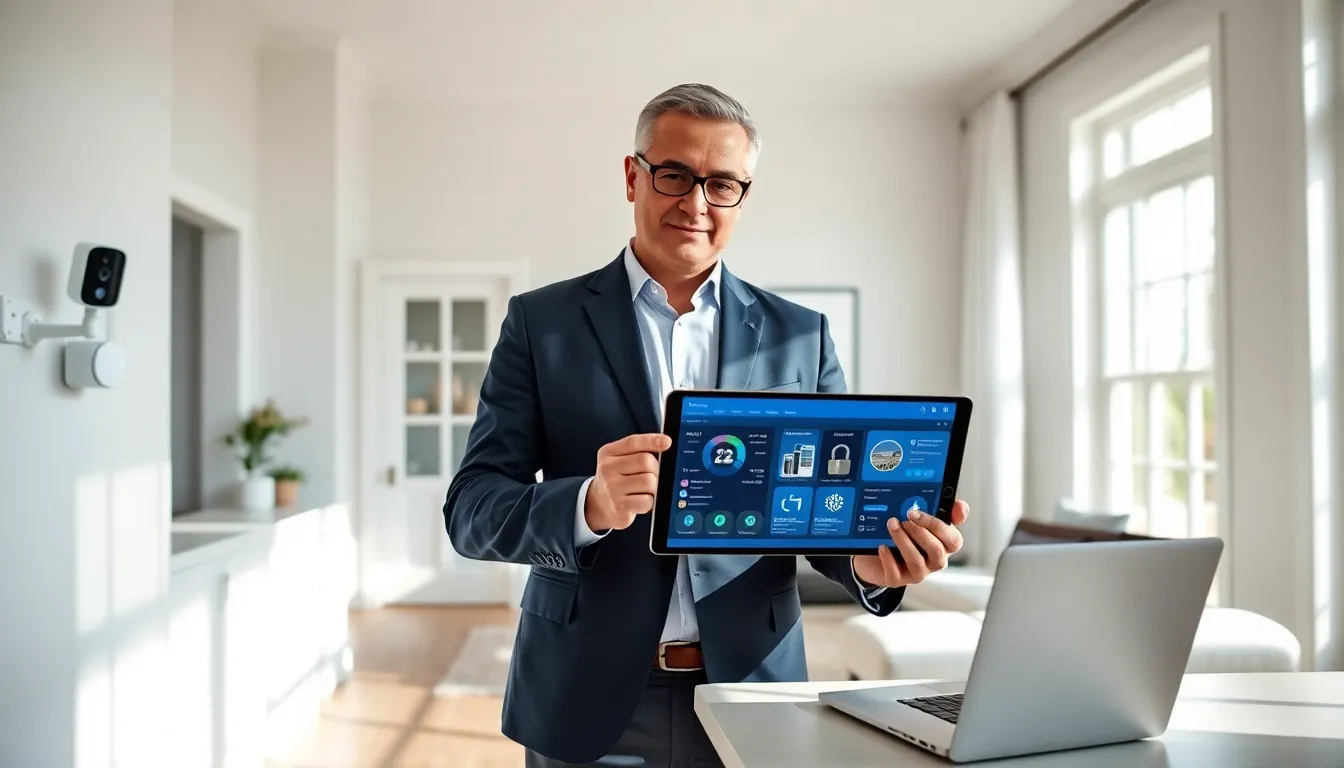
Finding the best security solutions has become a top priority for individuals and businesses alike. Threats exist everywhere, from burglars targeting homes to hackers exploiting digital vulnerabilities. The good news? Protecting yourself doesn’t require a fortune or a degree in cybersecurity. It requires the right knowledge and smart choices.
This guide breaks down security into clear categories: home protection, digital safety, and personal awareness. Each section offers practical advice anyone can apply today. Whether someone wants to secure their family home, protect sensitive data online, or stay safer in daily life, this article covers what actually works.
Table of Contents
ToggleKey Takeaways
- The best security strategy combines physical, digital, and personal protection since each addresses distinct risks that can leave you vulnerable if ignored.
- Homes without security systems are 300% more likely to experience break-ins, making even basic measures like reinforced doors and motion-activated lighting worthwhile investments.
- Strong, unique passwords and two-factor authentication are your first line of defense against cyber threats that cause billions in losses annually.
- Situational awareness—staying alert, making eye contact, and trusting your instincts—significantly reduces your risk of becoming a target in public spaces.
- The best security solution is one you’ll actually use consistently; prioritize high-impact, low-cost improvements before investing in complex systems.
Understanding the Different Types of Security
Security falls into three main categories: physical, digital, and personal. Each addresses distinct risks, but the best security strategies combine all three.
Physical security protects tangible assets. This includes locks, alarm systems, surveillance cameras, and access control systems. Homes, offices, and vehicles all benefit from physical security measures.
Digital security (also called cybersecurity) guards information stored on computers, phones, and online accounts. Strong passwords, antivirus software, firewalls, and encryption fall under this category.
Personal security involves awareness and habits that keep individuals safe. This includes being alert in public spaces, avoiding risky situations, and knowing basic self-defense principles.
Most people need protection in all three areas. A home with excellent locks but weak Wi-Fi passwords remains vulnerable. Similarly, someone with top-tier cybersecurity practices who ignores their surroundings in parking lots faces unnecessary risk. The best security approach treats these categories as interconnected pieces of a larger puzzle.
Home Security Solutions That Work
Home security has evolved dramatically over the past decade. Modern systems offer features that were once available only to commercial properties or the very wealthy.
Smart Security Systems
Smart home security systems connect to smartphones and allow remote monitoring. Users can view camera feeds, receive motion alerts, and even communicate with visitors through video doorbells, all from anywhere with internet access. Popular options include systems from Ring, SimpliSafe, and ADT.
Essential Components
The best security setup for most homes includes:
- Door and window sensors that trigger alerts when opened
- Motion detectors for interior and exterior spaces
- Security cameras covering entry points and high-value areas
- Smart locks that eliminate key-related vulnerabilities
- 24/7 monitoring services that contact authorities during emergencies
Cost-Effective Improvements
Not everyone needs a full system. Simple upgrades make a significant difference:
- Reinforced door frames and deadbolts
- Motion-activated exterior lighting
- Visible security signage (even without a full system)
- Timer-controlled interior lights that simulate occupancy
Statistics show homes without security systems are 300% more likely to experience break-ins. Even basic measures provide meaningful protection and peace of mind.
Digital and Cybersecurity Essentials
Cyber threats affect everyone with an internet connection. Data breaches, identity theft, and financial fraud cause billions in losses annually. The best security practices online don’t require technical expertise, just consistency.
Password Management
Weak passwords remain the leading cause of account compromises. Follow these rules:
- Use unique passwords for every account
- Make passwords at least 12 characters with mixed character types
- Use a password manager like 1Password, Bitwarden, or LastPass
- Never share passwords via email or text
Two-Factor Authentication (2FA)
Two-factor authentication adds a second verification step beyond passwords. Even if hackers steal login credentials, they can’t access accounts without the second factor. Enable 2FA on all accounts that offer it, especially email, banking, and social media.
Software Updates
Outdated software contains known vulnerabilities that attackers exploit. The best security habit is simple: update everything promptly. Enable automatic updates on phones, computers, and applications.
Safe Browsing Habits
- Verify URLs before entering sensitive information
- Avoid public Wi-Fi for banking or shopping
- Use a VPN when connecting to unfamiliar networks
- Be suspicious of unexpected emails requesting action
Phishing attacks have grown increasingly sophisticated. When in doubt, contact companies directly through official channels rather than clicking email links.
Personal Security Tips for Daily Life
Physical safety extends beyond home protection. Personal security habits reduce risk in everyday situations.
Situational Awareness
Most criminals select targets who appear distracted or unaware. Simple practices improve safety:
- Keep phones pocketed in unfamiliar areas
- Make brief eye contact with people nearby (shows alertness)
- Park in well-lit areas close to building entrances
- Trust instincts, if something feels wrong, leave
Travel Safety
Travelers face heightened risks. The best security measures for trips include:
- Researching destination safety before arrival
- Keeping copies of important documents separate from originals
- Using hotel safes for valuables
- Avoiding flashy jewelry or expensive electronics in public
- Sharing itineraries with trusted contacts
Emergency Preparedness
Preparation matters more than panic. Everyone should:
- Know emergency numbers for their location
- Keep emergency contacts easily accessible
- Learn basic first aid and CPR
- Have a communication plan with family members
Personal security isn’t about paranoia. It’s about making smart choices that reduce exposure to preventable risks.
How to Choose the Right Security Measures for Your Needs
The best security solution varies based on individual circumstances. A single apartment dweller has different needs than a family in a suburban home. Here’s how to assess priorities.
Evaluate Your Risks
Start by identifying specific vulnerabilities:
- What assets need protection? (Family, property, data, identity)
- What threats are most likely in your area or situation?
- What’s your budget for security improvements?
- How much time can you dedicate to maintenance and monitoring?
Prioritize Based on Impact
Not all security measures deliver equal value. Focus first on:
- High-impact, low-cost items like strong passwords and door reinforcement
- Critical protections for your most valuable assets
- Visible deterrents that discourage opportunistic threats
Avoid Common Mistakes
People often waste money on the wrong priorities. Common errors include:
- Over-investing in cameras while ignoring door security
- Buying equipment without professional installation guidance
- Choosing complex systems they won’t actually use
- Neglecting digital security while focusing only on physical measures
The best security investment is one that actually gets used consistently. A simple system someone monitors daily beats an expensive setup that gets ignored.

